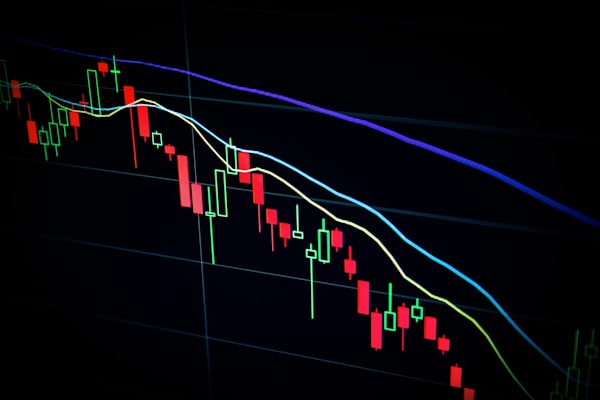
The stock market moves in cycles—extended periods of rising prices followed by extended periods of falling prices. Understanding these cycles and knowing how to respond is crucial for long-term investment success. The names for these cycles are simple yet evocative: bull markets and bear markets.
These market phases are a natural part of investing. They reflect the collective optimism and pessimism of millions of participants, the underlying economic fundamentals, and the inevitable corrections that occur when prices become disconnected from fundamentals. Successful investors learn to navigate both phases without making emotional decisions that undermine their long-term returns.
What Is a Bull Market?
A bull market is a period when stock prices are rising or expected to rise. The term is thought to come from the way bulls attack—lifting their horns upward, symbolizing upward price movement. During bull markets, investor confidence is high, economic growth is typically strong, and unemployment is low.
Characteristics of Bull Markets
- Stock prices rising 20% or more from recent lows
- Strong investor confidence and optimism about the future
- Economic expansion and GDP growth
- Low unemployment rates
- Increased corporate profits across sectors
- High volume of initial public offerings (IPOs)
- Rising asset prices across multiple classes
- Increased consumer spending and business investment
The Psychology of Bull Markets
Bull markets feed on optimism. As prices rise, investors feel wealthier and more confident. This confidence leads to increased spending and investment, which further drives economic growth and corporate profits. It's a virtuous cycle that can persist for years. However, this same optimism can eventually push prices beyond what fundamentals justify, creating the conditions for the next bear market.
What Is a Bear Market?
A bear market occurs when stock prices fall 20% or more from recent highs. Bears swipe downward with their paws, symbolizing falling prices. Bear markets are often associated with economic recessions, high unemployment, and declining corporate profits. They can be brief—lasting months—or extended, lasting years.
Characteristics of Bear Markets
- Stock prices declining 20%+ from their peaks
- Investor pessimism and fear dominating market sentiment
- Economic contraction or recession
- Rising unemployment and layoffs
- Declining corporate profits and revenue
- Increased market volatility with large daily swings
- Flight to safety driving Treasury yields lower
- Negative headlines dominating financial media

Historical Perspective: Learning from the Past
Since 1929, the S&P 500 has experienced approximately 25 bear markets. While they can be painful for investors, each has been followed by a recovery and new highs. The average bear market lasts about 10 months, while bull markets average roughly 3 years. Understanding this historical pattern helps put downturns in perspective.
Famous Bear Markets in History
- 1929-1932 (The Great Depression): The most severe bear market in history, with declines exceeding 80%. The Dow Jones lost nearly 90% of its value. Recovery took decades.
- 2000-2002 (The Dot-Com Bust): The tech bubble deflation caused the Nasdaq to fall nearly 80% from its peak. Average decline across indices was nearly 50%.
- 2007-2009 (The Financial Crisis): Triggered by the housing bubble and banking system stress, the S&P 500 declined around 57%. The economy experienced the worst recession since World War II.
- 2020 (COVID-19 Crash): The fastest bear market in history—a 34% decline in just 33 days. Also the quickest recovery, with markets hitting new highs within months.
- 2022: Rising interest rates and inflation concerns drove a significant correction, with the Nasdaq entering bear territory and the S&P 500 falling over 20%.
The Silver Lining
Every bear market in history has been followed by a bull market. Investors who stayed invested through downturns were rewarded with full recoveries and new highs. Panic selling is the greatest risk to long-term returns—the worst days in the market often follow the best days closely.
How to Navigate Bull Markets Successfully
Bull markets can be just as dangerous as bear markets for unprepared investors. The temptation to take on excessive risk, over-leverage, or abandon disciplined investing principles can lead to significant losses when cycles turn.
Don't Overextend Your Portfolio
It's tempting to pour all your money into stocks during a bull market when returns seem guaranteed. However, maintaining appropriate asset allocation based on your goals, time horizon, and risk tolerance protects you when cycles inevitably turn. A balanced approach ensures you're not forced to sell assets at depressed prices to meet liquidity needs.
Rebalance Periodically
Bull markets can cause your stock allocation to grow beyond your target percentage. Selling some stocks and rebalancing to your target allocation locks in gains, reduces risk, and enforces the discipline of "buying low and selling high" systematically.
Avoid Trying to Time the Market
Even experienced investors with sophisticated tools struggle to predict market tops consistently. Studies show that missing just a few of the market's best days dramatically reduces long-term returns. Staying fully invested while periodically rebalancing is more effective than trying to exit and re-enter positions.

How to Navigate Bear Markets with Confidence
Bear markets test every investor's resolve. The emotional instinct during a downturn is to sell everything and move to cash. This instinct is understandable but often counterproductive. Having a plan before downturns occur is essential.
Stay Calm and Focused on Fundamentals
The emotional instinct during a bear market is to sell. This locks in losses and often means missing the recovery, which is historically swift and significant. Focus on your long-term goals rather than short-term fluctuations. Remind yourself that volatility is the price of admission for higher expected returns.
Continue Investing Strategically
If you have a long time horizon, continuing to invest during bear markets buys shares at lower prices. This is called "buying the dip," and while it requires emotional discipline, it positions you for gains when the market recovers. Dollar-cost averaging during downturns systematically accumulates assets at discounted prices.
Review Your Asset Allocation
A bear market might reveal that your portfolio is more aggressive than your actual risk tolerance allows. If market declines cause you sleepless nights or anxiety, use the experience to reassess whether your allocation matches your goals and emotional capacity for risk. Adjustments made calmly during downturns beat reactive decisions made in panic.
Understanding Corrections vs. Bear Markets
A correction is a decline of 10-19%, while a bear market is 20% or more. Corrections are more frequent and typically shorter-lived than bear markets. Both are normal parts of market cycles and shouldn't cause investors to abandon their long-term strategies.
Market Corrections: When to Expect Them
Historically, the S&P 500 experiences a 10% correction roughly once per year on average. These pullbacks are normal and healthy—they relieve overbought conditions and provide opportunities for investors to add to positions at more reasonable valuations.
For more on understanding market downturns and crashes, read our article on understanding market crashes.
The Bottom Line
Market cycles are inevitable. Neither bull nor bear markets last forever. The key to long-term investment success is maintaining a disciplined approach regardless of market phase, staying focused on fundamentals rather than market noise, and resisting the urge to make emotional decisions based on short-term performance.
Remember: bear markets are uncomfortable but temporary. Bull markets are exhilarating but require caution. The investors who build wealth over decades are those who navigate both with steady hands and clear heads.

Maria Arroyo
Certified Financial PlannerMaria has guided clients through multiple market cycles over 20 years, helping them stay focused on long-term goals and avoid emotional decision-making that undermines wealth building.