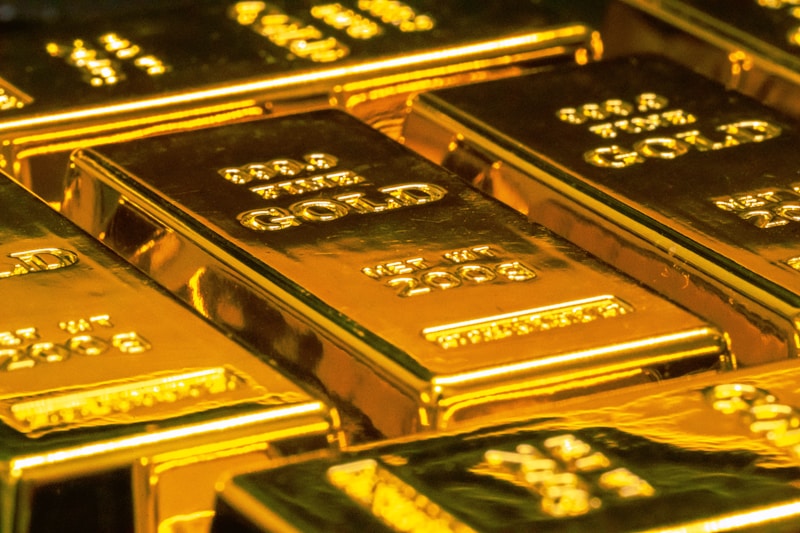
Commodities represent one of the oldest asset classes in human history, yet many investors overlook them entirely when constructing their portfolios. From gold coins traded in ancient Rome to oil futures contracts traded on electronic exchanges today, commodities have always served as essential building blocks of economic activity and, increasingly, as investment vehicles that provide diversification, inflation protection, and unique return streams that behave differently from stocks and bonds.
Understanding how commodities work, why they belong in a diversified portfolio, and how to access them efficiently can significantly enhance your long-term investment outcomes. This guide covers everything you need to know about commodities investing, from the fundamental basics to practical implementation strategies.
What Are Commodities?
Commodities are raw materials or primary agricultural products that can be bought and sold—either in their raw state or as processed goods. They are typically categorized into four main groups: precious metals (gold, silver, platinum), energy products (crude oil, natural gas, heating oil), agricultural products (wheat, corn, soybeans, coffee, cotton), and industrial metals (copper, aluminum, zinc). Each category responds to different economic drivers, making commodities as a whole a broad and versatile asset class.
Unlike stocks, which represent ownership in companies, commodities represent actual physical goods. This distinction matters because commodities often have low correlation with traditional financial assets, meaning they may rise or fall independently of stock market movements. During periods of stock market distress, commodities—particularly gold—frequently serve as safe-haven assets that retain or appreciate in value.
Why Invest in Commodities?
Inflation Hedge
One of the most compelling reasons to hold commodities is their historical role as an inflation hedge. When central banks print money and governments run fiscal deficits, the purchasing power of currencies erodes—and commodity prices tend to rise in response. Gold, in particular, has maintained its value over millennia precisely because it cannot be created at will by governments. During the inflationary 1970s, gold prices increased more than fifteenfold, dramatically outperforming stocks and bonds.
Portfolio Diversification
Adding commodities to a traditional stock-and-bond portfolio can reduce overall volatility without sacrificing expected returns. Because commodities often have low or negative correlation with stocks and bonds, they act as portfolio stabilizers. When bonds decline during economic contractions and stocks become volatile, commodity holdings may provide returns that offset those losses, smoothing the portfolio's overall performance trajectory.
Exposure to Global Economic Growth
Commodity demand is intrinsically linked to global economic activity. Industrial metals like copper and aluminum are essential for infrastructure, manufacturing, and technology. Energy products power transportation, heating, and industrial processes. Agricultural products feed populations. As emerging markets industrialize and global population grows, demand for these commodities tends to increase over long time horizons, potentially delivering strong returns for long-term investors.
How to Invest in Commodities
Investors can access commodities through several mechanisms, each with distinct advantages and trade-offs. Direct ownership of physical commodities—such as buying gold coins or storing oil barrels—is impractical for most investors due to storage costs, liquidity concerns, and transportation challenges. Instead, most investors access commodities through financial instruments that provide exposure without physical delivery.
Exchange-Traded Funds (ETFs)
Commodity ETFs offer the simplest and most accessible way to invest in commodities. Gold ETFs (like SPDR Gold Shares, ticker GLD) track the spot price of gold and hold physical gold in secure vaults. Oil ETFs typically track oil futures prices, though these can suffer from contango issues where futures prices exceed spot prices. Agricultural ETFs provide exposure to crop prices through futures or combinations of agriculture-focused companies.
Commodity Futures
Futures contracts represent agreements to buy or sell a commodity at a predetermined price on a future date. Futures offer leverage, meaning small price movements can generate large percentage returns (or losses). They require a margin account and active management, making them more suitable for sophisticated investors. Most retail investors should approach futures with caution due to their complexity and risk.
Commodity Company Stocks
Another approach is investing in companies that produce commodities—mining companies for precious and industrial metals, energy companies for oil and gas, and agricultural companies for crops and livestock. This approach provides indirect commodity exposure while offering ownership in businesses with growth potential and dividend-paying capacity. However, stock performance depends not only on commodity prices but also on company management, costs, and financial health.
Key Considerations Before Investing
Commodities carry unique risks that investors should understand before allocating capital. Price volatility can be significant—oil prices collapsed below zero briefly in April 2020, for example, an extreme but instructive example of commodity market unpredictability. Currency fluctuations affect commodity prices since most commodities are priced in U.S. dollars—a stronger dollar makes commodities more expensive for foreign buyers, potentially suppressing prices. Supply and demand dynamics can shift dramatically due to weather, geopolitical events, technological change, and policy decisions.
Additionally, commodity investments can underperform over extended periods. During economic recessions, industrial commodity demand drops sharply, and even gold may struggle if deflation fears dominate. Investors should view commodities as a long-term strategic allocation—typically 5-15% of total portfolio value—rather than a short-term trading vehicle or the core of an investment strategy.
Commodities vs. Stocks: Understanding the Difference
Stocks represent fractional ownership in companies that produce goods and services. Their value depends on corporate earnings, growth prospects, and management decisions. Commodities, by contrast, derive value from their physical properties and utility—gold is valuable because it is rare, durable, malleable, and beautiful; oil is valuable because it contains concentrated energy that powers transportation and industry. This fundamental difference means commodities and stocks often perform differently under the same economic conditions.
For a balanced approach to investing that includes both stocks and commodities, consider reading our guide on Building a Diversified Portfolio to understand how different asset classes work together to reduce risk and enhance returns over time.
Key Takeaway
Commodities offer diversification, inflation protection, and unique return streams unavailable from traditional stocks and bonds. Most investors should access commodities through low-cost ETFs rather than direct ownership or futures contracts. A typical commodity allocation of 5-15% of total portfolio value can enhance risk-adjusted returns without overexposing the portfolio to commodity market volatility.
Whether you are just beginning your investment journey or looking to optimize an established portfolio, commodities deserve consideration as part of a comprehensive wealth-building strategy. Start by assessing your risk tolerance, investment timeline, and total portfolio composition, then explore commodity ETFs that align with your goals and risk profile.
See also our comprehensive articles on Building an Emergency Fund and Asset Allocation Strategies for broader financial planning context.

Maria Arroyo
Certified Financial PlannerMaria has 20 years of experience helping investors build wealth through evidence-based strategies and disciplined portfolio construction.